
Indoor Walking Workout Ideas for Seniors in Longview Retirement Living
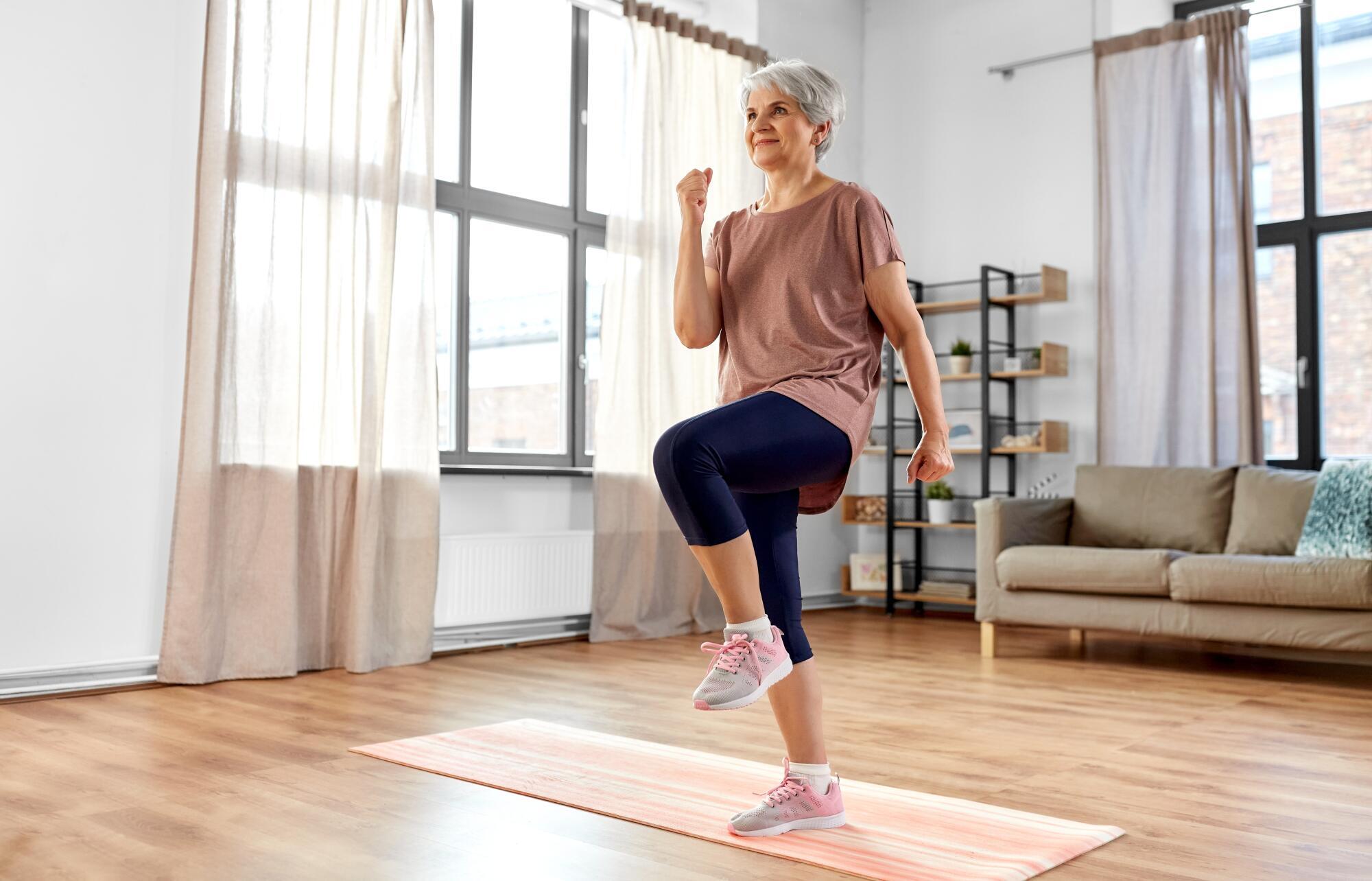
Indoor walking workout options provide seniors with a safe, effective way to stay active year-round without weather concerns or outdoor hazards. These low-impact exercises can be easily modified for different fitness levels and performed in the comfort of retirement communities.
Staying active becomes increasingly important as we age, yet outdoor conditions don't always cooperate with our fitness goals. WHO says that about one-third of the world's adult population (31%) is physically inactive, with both men and women showing increased physical inactivity after they hit 60.
Longview, Texas, with its humid subtropical climate and occasional severe weather, presents unique challenges for year-round outdoor exercise. However, senior fitness Longview, TX communities have discovered that indoor alternatives can be just as effective and far more convenient.
Read on for the lowdown on the best indoor walking workouts for seniors in Longview retirement homes.
What Is the Best Indoor Exercise for Seniors?
The beauty of indoor walking lies in its versatility. Seniors can walk in place, create walking circuits around their living space, or use hallways and common areas in retirement communities. These movement routines for aging adults help maintain bone density and reduce the risk of falls, which is crucial for active, independent living.
Marching in Place
This foundational indoor walking exercise requires no special space or equipment. Simply lift your knees higher than normal walking to increase intensity and engage your core muscles. Start with 30-second intervals and gradually increase duration as your stamina improves.
Side Steps
Move laterally to engage different muscle groups that regular forward walking doesn't target. Side-stepping strengthens hip muscles and improves lateral stability, which is essential for preventing falls during daily activities.
Heel-to-Toe Walking
Go straight, placing the heel of one foot directly in front of the toes of the other. Use a wall or sturdy furniture for support if needed. This technique dramatically improves balance and coordination by challenging your stability systems.
Walking With Arm Movements
Add upper body engagement for full-body benefits by incorporating gentle arm swings, circles, or light pumping motions. This variation increases calorie burn and helps maintain upper-body strength and flexibility.
Stair Climbing
If stairs are available and appropriate for your fitness level, climbing stairs provides excellent cardiovascular and leg-strengthening benefits. Always use handrails and take your time with each step.
What Is the Proper Form for Indoor Walking?
Proper walking form maximizes health benefits while minimizing injury risk for seniors engaging in indoor exercise routines. Good technique ensures that walking indoors safely becomes an effective, sustainable part of your fitness routine.
Here's an overview of the fundamentals:
Essential Posture and Stance
Keep your head up and eyes looking forward rather than down at your feet. Relax your shoulders and avoid hunching forward, while gently engaging your core muscles to support your spine.
Foot Movement and Gait
Focus on proper foot movement during your indoor walking routine. Land on your heel first, then roll through to your toe for push-off. This natural gait pattern distributes impact evenly and maintains proper biomechanics.
Keep steps moderate in length, as overstriding can cause balance issues in smaller indoor spaces.
Arm Movement
Arm movement and breathing technique significantly enhance your indoor walking workout. Let your arms swing naturally at your sides, or add purposeful movements like gentle swinging or light pumping motions to engage your upper body.
Breathing Techniques
Breathe steadily and deeply through your nose when possible. If you can't hold a conversation while walking, slow down your pace to ensure you're working within safe limits.
Safety Considerations and Warm-Up
Low-impact workouts should feel challenging but manageable. Safety considerations and proper warm-up are crucial for successful indoor walking sessions:
- Start each session with gentle marching in place for 2-3 minutes to prepare muscles
- Wear supportive, non-slip shoes even when exercising indoors
- Remove throw rugs or obstacles from your walking paths before starting
- Keep a sturdy chair nearby for balance support if needed
- Ensure adequate lighting in your exercise area for safety
Listen to your body and rest when needed, as consistency matters more than intensity for long-term health benefits.
Frequently Asked Questions
What Equipment Do I Need for Indoor Walking Workouts?
Indoor walking requires minimal equipment. Comfortable, supportive shoes with good traction are essential for safety. Optional additions include a sturdy chair for balance support, light hand weights to increase upper body engagement, or resistance bands for added strengthening exercises.
A timer or watch helps track workout duration, and upbeat music can make sessions more enjoyable.
What Medical Conditions Should I Consider Before Starting Indoor Walking?
Seniors with heart conditions, uncontrolled diabetes, severe arthritis, or recent surgeries should consult healthcare providers before beginning any exercise program. Those taking medications that affect balance or blood pressure may need modified routines.
Individuals with severe mobility limitations can often participate with proper modifications and medical clearance.
When Is the Best Time of Day for Indoor Walking Workouts?
The best time varies by individual preference and energy levels. Many seniors prefer morning walks to start their day with energy, while others find afternoon sessions help combat fatigue.
Avoid walking immediately after large meals. Choose times when you feel most alert and energetic, and try to maintain consistency in your schedule.
What Should I Do If I Experience Pain During Indoor Walking?
Stop immediately if you experience sharp, sudden pain. Mild muscle soreness is normal when starting new activities, but joint pain or persistent discomfort requires attention. Ice minor soreness and rest for a day or two.
If pain persists or worsens, consult your healthcare provider to rule out underlying issues and receive appropriate modifications.
Experience the Benefits of Indoor Walking Workout Programs at Colonial Village
Indoor walking workout routines offer seniors in Longview an accessible path to better health and increased independence. These exercises support cardiovascular wellness, muscle strength, and balance while accommodating various fitness levels and physical limitations.
At Colonial Village, we're surrounded by serene, park-like grounds and just minutes from historic downtown, boutique shopping, and seasonal events like Art in the Park. Our senior living community blends small-town charm with big-city convenience while providing spacious indoor areas perfect for walking routines and fitness exercises designed specifically for our residents. Schedule a tour and discover how our Longview, TX community supports your active lifestyle and wellness in retirement.