
Understanding Maladaptive Coping in Older Adults
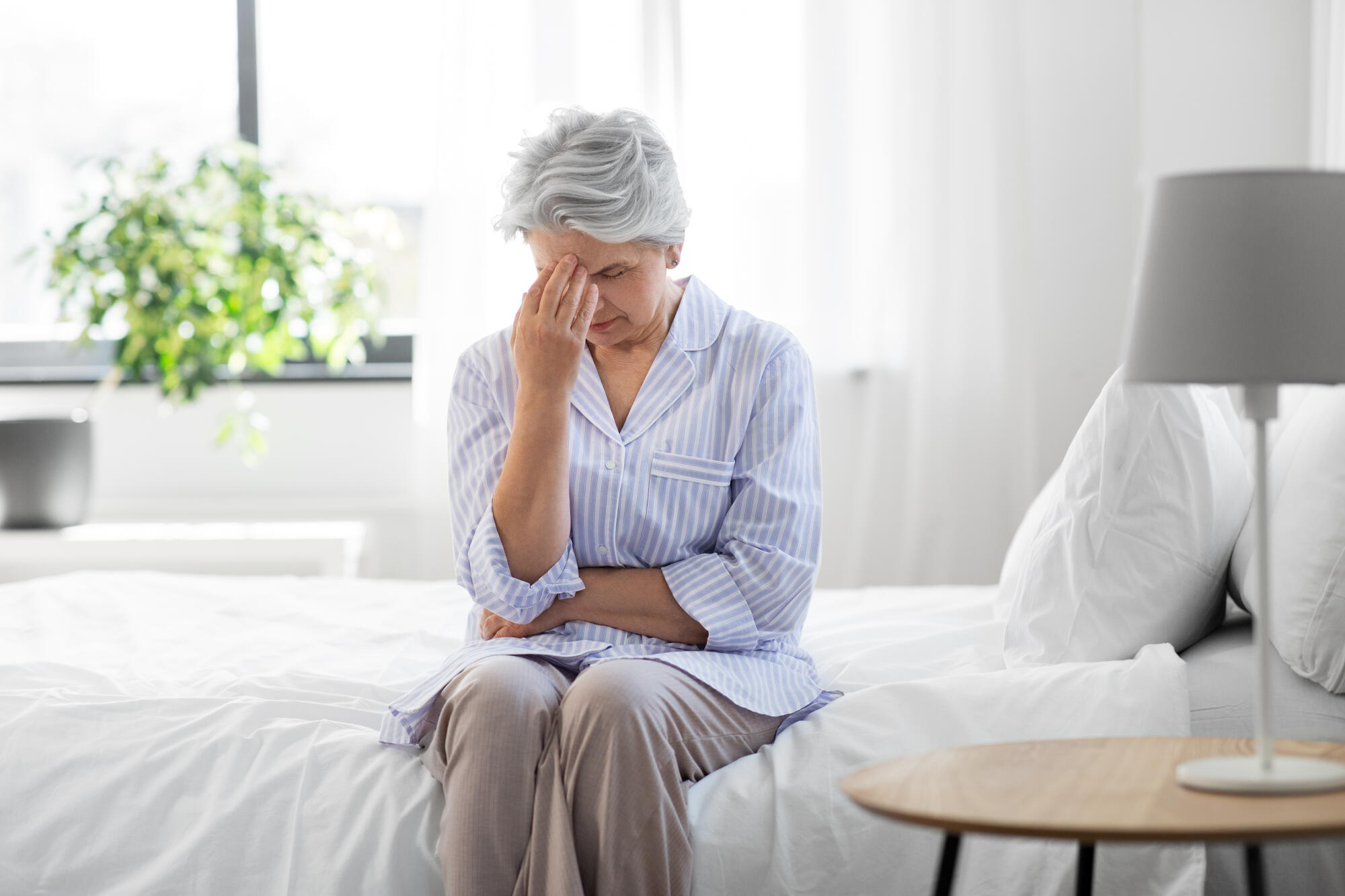
Longview, TX, known for its rich history and growing population of more than 80,000 residents, is a hub for East Texas living. Among its many charms, Longview is also home to a thriving senior population seeking peace and independence. But even in a place as welcoming as Longview, many older adults silently struggle with emotional wellness, often due to maladaptive coping.
A recent international study through BMC Psychology, across 30 countries, found that self-blame, a common form of maladaptive coping, was the strongest predictor of both poor mental healthand declining physical health.
If you're supporting a loved one or exploring senior living options, understanding maladaptive coping can help you identify early warning signs and offer support that protects long-term senior emotional health. Keep reading to learn practical ways to recognize and respond to these behaviors with care.
What Is Maladaptive Coping?
Maladaptive coping refers to behaviors or thought patterns used to manage stress that actually make problems worse in the long run. While everyone develops coping mechanisms over time, not all of them are healthy, especially in older adults who have faced cumulative stress, loss, or life changes.
Examples of maladaptive coping in seniors include:
- Social withdrawal or isolation
- Rumination or obsessive worrying
- Overdependence on others
- Denial of physical or emotional issues
- Substance misuse
- Passive resignation or "giving up"
These behaviors may seem like attempts to adapt, but they often deepen distress and disrupt overall behavioral wellness.
Why Maladaptive Coping Is Common in Aging
Aging brings significant transitions like retirement, loss of loved ones, health changes, or relocating to new environments. These shifts can affect:
- Identity
- Daily routines
- One's sense of purpose
Many seniors cope well. But others struggle to adjust due to:
- Reduced social networks: Friends and family may have passed, relocated, or become distant
- Stigma around mental health: Older generations often avoid discussing emotional challenges
- Cognitive changes: Mild memory loss or decline in executive function can make it harder to process emotions
- Unaddressed trauma or grief: Long-standing unresolved pain can manifest later
Without support, these factors often trigger unhealthy stress responses that take root as habits.
Recognizing the Signs of Maladaptive Coping in Seniors
Family members and caregivers should be alert to emotional or behavioral changes. Common signs of maladaptive coping include:
- A sudden loss of interest in hobbies or social events
- Irritability, anger, or emotional numbness
- Refusing help with tasks or over-relying on others
- Chronic complaints of boredom, fatigue, or hopelessness
- Increased forgetfulness, even when medically unexplained
- Avoiding medical appointments or personal care
Identifying these early can prevent a more serious decline in emotional and physical health.
Seniors may not openly express emotional distress. So, changes in behavior or habits are often the first indicators. In community settings like Colonial Village, staff are trained to recognize these subtleties and offer gentle interventions that restore confidence and comfort.
Coping Styles in Aging: Healthy vs. Unhealthy
Older adults may not intentionally choose unhealthy stress responses. However, without guidance or support, these responses become defaults.
Healthy coping styles often include:
- Problem-solving and action-planning
- Seeking emotional or spiritual support
- Practicing gratitude and reframing negative thoughts
- Engaging in meaningful routines and creative outlets
Maladaptive coping often involves:
- Blaming oneself or others
- Suppressing or ignoring emotions
- Relying on distractions without addressing root issues
- Believing one's situation cannot change
Supportive environments like Colonial Village are designed to redirect residents from harmful patterns toward behavioral wellness rooted in purpose and joy.
Why Mental Health for Seniors Matters
Mental health for seniors isn't only about preventing depression or anxiety. It influences how older adults:
- Connect with others
- Handle changes
- Maintain independence
Emotional well-being shapes daily experiences and long-term quality of life. It's about:
- Enhancing quality of life
- Promoting cognitive function
- Strengthening social connections
- Reducing hospitalizations
- Supporting independence in daily living
Mental health for seniors also impacts physical health. Persistent emotional distress is linked to:
- Increased inflammation
- Weakened immune response
- Higher risks for chronic disease
When seniors live in environments where their emotional needs are met, their outlook on life improves. They become more:
- Open to friendships
- Involved in community activities
- Likely to pursue hobbies or wellness practices that enrich their lives
Social Wellness: A Natural Buffer Against Stress
Social connection is one of the most powerful antidotes to maladaptive coping. In communities like Colonial Village, older adults participate in:
- Group events, games, and creative classes
- Faith-based gatherings and devotionals
- Physical wellness programs that also support mental clarity
- Resident-led clubs and interest groups
- Community dining that fosters casual conversations
Regular social engagement provides:
- Structure
- Stimulation
- Purpose
This naturally reduces loneliness and hopelessness.
Loneliness, when left unaddressed, can lead to chronic stress. But when seniors are surrounded by a vibrant network of peers and encouraged to take part in joyful experiences, their emotional health improves.
Simple Ways Families Can Support Coping in Seniors
Family members play a crucial role in encouraging better coping strategies. They often serve as the first line of emotional support and observation. When seniors feel seen and heard by loved ones, they are more likely to express their emotions and accept help.
A few helpful practices include:
- Listening without judgment and allowing space for emotions
- Gently encouraging participation in community events
- Asking about interests and helping seniors reconnect with past passions
- Watching for signs of isolation or emotional distress
- Collaborating with supportive staff to reinforce positive habits
Most importantly, check in consistently. Your presence and encouragement can help your loved one replace maladaptive coping with healthier, life-giving choices.
Preventing Maladaptive Coping Through Supportive Living
Understanding the signs of maladaptive coping is the first step in helping your loved one enjoy a better quality of life.
Independent living with supportive services, like those at Colonial Village in Longview, TX, creates the perfect bridge between freedom and assistance. Residents enjoy privacy, personal space, and community while receiving the care and encouragement needed to thrive emotionally.
If your loved one is showing signs of maladaptive coping, now is the time to explore a positive change. Schedule your tour today and see how Colonial Village in Longview, TX, can support emotional wellness, joyful living, and peace of mind.